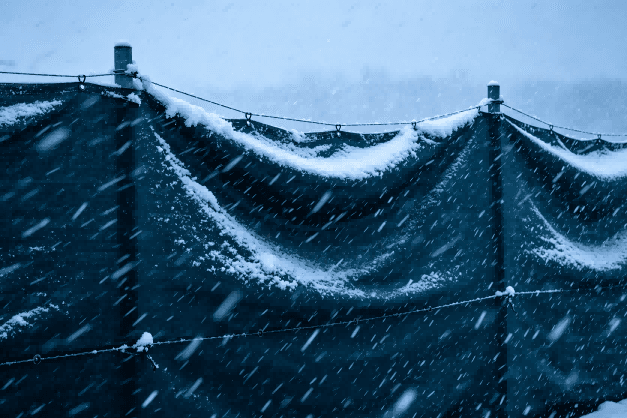
Heavy-duty shade netting achieves total weatherproof capability in extreme climates by integrating highly stable macromolecular polymer chemistry with dynamic warp-knitted structural engineering. To survive the brutal combination of severe solar radiation, sub-zero freezing, and cyclonic wind shear, commercial netting must be extruded exclusively from 100% virgin High-Density Polyethylene (HDPE) heavily compounded with Hindered Amine Light Stabilizers (HALS). This chemical synergy prevents photo-oxidation and molecular embrittlement, ensuring the fabric retains its thermodynamic flexibility from -40°C to +80°C. Concurrently, the interlocking lockstitch matrix provides multidirectional elasticity, allowing the canopy to dynamically absorb and dissipate kinetic wind energy and heavy hail impacts without suffering line-tear propagation. For enterprise operations, deploying an engineered Shade Net guarantees multi-year infrastructure survival in the most hostile agricultural and industrial environments globally.
Table of Contents
- 1. Thermodynamic Stability: Surviving Extreme Temperature Swings
- 2. Solar Armor: Combating Severe UV Photo-Oxidation
- 3. Hydrophobic Defenses Against Monsoon Moisture and Rot
- 4. Kinetic Impact Resistance: Wind Shear and Hail Deflection
- 5. Commercial Data: Extreme Weather Performance Matrix
- 6. Enterprise Procurement for Hostile Environments
- 7. Extreme Climate Protection Frequently Asked Questions (FAQ)
Thermodynamic Stability: Surviving Extreme Temperature Swings
Agricultural infrastructure deployed in desert valleys or high-altitude mountain ranges faces extreme diurnal temperature fluctuations. The primary failure point for standard plastics in these environments is severe thermal expansion and contraction.
When generic plastics (like PVC or low-grade Polypropylene) are subjected to freezing night temperatures, their molecular chains lock rigidly into place. If a wind gust hits the frozen fabric, it shatters like glass. Conversely, under the intense heat of a midday desert sun, these same plastics soften, stretch uncontrollably, and permanently deform, sagging off their support frames.
High-Density Polyethylene (HDPE) is utilized for extreme-weather netting because it possesses an extraordinarily wide window of thermodynamic stability. The highly crystalline, linear hydrocarbon structure of virgin HDPE allows it to remain flexible and retain its tensile strength in temperatures plunging to -40°C, absorbing winter wind shocks without fracturing. Concurrently, its high melting point ensures it will not soften or lose dimensional accuracy in ambient heat waves reaching +80°C, providing a permanent, stable canopy year-round.
Solar Armor: Combating Severe UV Photo-Oxidation
In equatorial regions or high-altitude sites where the atmosphere is thin, solar ultraviolet (UV) radiation is the most aggressive environmental destroyer of polymer textiles.
When high-energy UV photons strike an unprotected net, they break the carbon-hydrogen bonds within the polymer. This process, known as photo-oxidation, generates destructive free radicals that initiate a chain reaction of molecular cleavage. Within months, the fabric turns chalky, loses its elasticity, and becomes fatally brittle.
Heavy-duty weatherproof netting halts this process through the integration of advanced chemical additives called Hindered Amine Light Stabilizers (HALS). HALS are not passive sunblocks; they are active chemical scavengers. When a UV ray breaks a bond, the HALS molecule instantly intercepts and neutralizes the resulting free radical before it can destroy the surrounding polymer chains. By compounding maximum levels of HALS into the 100% virgin HDPE masterbatch, commercial Outdoor Shade Net can confidently guarantee a 5 to 10-year operational lifespan under the most intense solar radiation on the planet.
Hydrophobic Defenses Against Monsoon Moisture and Rot
For operations in tropical zones subject to heavy monsoons or continuous coastal humidity, the constant presence of water is highly destructive to woven textiles. Organic fibers, such as canvas or untreated nylon, absorb moisture. This retained water acts as a breeding ground for aggressive mold, mildew, and bacterial biofilm, which rapidly digests the structural fibers and destroys the canopy.
HDPE is a strictly hydrophobic matrix. It repels water entirely, boasting a moisture absorption rate of less than 0.01%. Rainwater simply beads up and sheds off the polymer filaments. Because the water cannot penetrate the molecular structure of the yarn, it cannot initiate chemical rot, and biological organisms have no substrate upon which to feed. This hydrophobic nature also ensures that the heavy-duty netting does not double in physical weight during a torrential downpour, preventing the structural support cables from collapsing under excess water load.
Kinetic Impact Resistance: Wind Shear and Hail Deflection
Extreme climates are defined by violent kinetic events: cyclonic winds, sudden downdrafts, and severe hailstorms. The structural architecture of the netting determines its survival.
Standard woven fabrics cross threads at rigid right angles. When a 100 km/h wind gust hits a woven net, the rigid grid cannot stretch. The immense aerodynamic drag forces the threads to rip apart at the seams. To be truly weatherproof, the netting must utilize warp-knitted lockstitch technology.
Knitted meshes are formed from continuous, interlocking loops. This geometry provides inherent multidirectional elasticity. When struck by extreme wind shear, the loops temporarily stretch, absorbing and dissipating the kinetic energy of the gust before it can rip the perimeter grommets. Furthermore, if a large, jagged hailstone strikes the canopy and manages to puncture a filament, the lockstitch confines the damage to that single micro-loop. It physically stops line-tear propagation, preventing a minor puncture from unravelling into a catastrophic total-panel blowout.
Commercial Data: Extreme Weather Performance Matrix
The following matrix outlines the specific material requirements necessary to defeat various extreme weather threats in commercial applications.
| Climatic Threat Profile | Primary Material Failure Mode | Required Engineering Defense |
|---|---|---|
| High-Altitude Solar Radiation | Photo-oxidation; rapid embrittlement and loss of tensile elasticity. | 100% Virgin HDPE base resin heavily compounded with HALS additives. |
| Severe Wind Shear / Cyclones | Aerodynamic drag rips mounting points; unravelling of woven threads. | Warp-knitted lockstitch; heavy-duty polyester selvedge border taping. |
| Sub-Zero Freezing Temperatures | Polymer chains lock and shatter under physical impact or wind flutter. | Linear hydrocarbon structure of pure HDPE (flexible down to -40°C). |
| Large Hail Impact | Blunt force kinetic rupture exceeding material bursting strength. | High GSM round-monofilament extrusion; lockstitch damage isolation. |
| Tropical Monsoons / High Humidity | Moisture absorption causing acidic biofilm rot and biological degradation. | Hydrophobic HDPE matrix (<0.01% absorption) to shed water instantly. |
Enterprise Procurement for Hostile Environments
When purchasing infrastructure for hostile climates, procurement managers cannot rely on generic hardware-store plastics. Attempting to save capital by purchasing lightweight, uncertified netting results in 100% loss of investment following the first severe weather event.
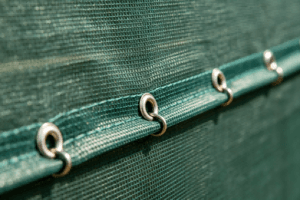
To guarantee survival, operations must source directly from heavy-industry specialists. Xinhang, an internationally verified Shade Net manufacturer based in the industrial hub of Lizhuang, builds extreme weather protection into the molecular fabric of our products. By utilizing 100% virgin HDPE masterbatches fortified with premium HALS UV-stabilizers, we ensure total photo-oxidative resistance. Xinhang’s advanced German-engineered warp-knitting machines interlock heavy-gauge monofilaments to deliver unmatched kinetic bursting strength. Furthermore, by customizing our edge-sewing to include multi-layered polyester webbing and stamped brass grommets, we provide commercial agronomists and industrial engineers with an Agricultural Shade Net that masters aerodynamic drag, protects high-value crops, and defends corporate assets against the most punishing climates on Earth.
Extreme Climate Protection Frequently Asked Questions (FAQ)
Q1: How can I tell if a shade net will survive freezing winter temperatures?
The survival in freezing temperatures is dictated entirely by the base polymer. Polypropylene (PP) and PVC become highly brittle and will shatter below freezing. You must procure 100% High-Density Polyethylene (HDPE). The linear molecular chains in HDPE maintain their elasticity and impact resistance in temperatures plummeting to -40°C, making it the only choice for year-round extreme climate exposure.
Q2: Will a high-density shade net protect my crop from heavy rain?
While an HDPE shade net is hydrophobic (it does not absorb water), the lockstitch matrix is porous. It will not act as a waterproof solid roof. However, a high-density net (70%+) will act as a powerful mechanical buffer. It shatters heavy, damaging raindrops into a fine, gentle mist before they hit the soil, preventing crop battering and severe soil erosion during heavy monsoons.
Q3: What causes the edges of a net to rip out during a windstorm?
Edge failure occurs when the manufacturer uses raw, heat-cut edges or fails to reinforce the border. Under aerodynamic drag, all the tension is transferred to the attachment points. If a zip-tie or grommet is punched through raw mesh, the micro-filaments will instantly shear. Weatherproof nets must be finished with heavily stitched, multi-layered polyester webbing to distribute the wind load safely along the entire border.
Q4: Does the color of the netting affect its ability to withstand extreme UV rays?
Yes. Black netting is inherently the most UV-resistant because the carbon black pigment acts as a natural UV absorber, converting radiation into heat. However, modern manufacturing allows white or colored HDPE to achieve the exact same extreme UV lifespan by heavily increasing the concentration of Hindered Amine Light Stabilizers (HALS) during the extrusion compounding process.
Q5: How does the “lockstitch” pattern specifically defend against hail?
A woven fabric is rigid; if a hailstone breaks a thread, the whole fabric unravels. The warp-knitted lockstitch acts like a trampoline. When a hailstone hits, the interlocking loops stretch to absorb the kinetic energy. If the hailstone is large enough to burst the thread, the knotting structure locks the broken end in place, completely preventing the tear from propagating further down the panel.
Q6: Should I remove my weatherproof net if a hurricane or cyclone is forecasted?
Yes. While heavy-duty netting reduces wind drag significantly compared to solid roofs, Category 3+ hurricane winds will generate uplift forces that can uproot the deep concrete footings and steel frames of the greenhouse itself. In extreme cyclonic events, the netting must be quickly detached or mechanically retracted and secured to save the primary steel infrastructure from collapse.
References & Extreme Weather Engineering Standards:
- Polymer Thermodynamic Stability and UV Resistance Metrics: Farm Plastic Supply Material Testing Data
- Aerodynamic Drag Mitigation and Edge Reinforcement: Shade Cloth Store Heavy-Duty Engineering
- Hail Impact Burst Strength and Lockstitch Mechanics: Greenpro Ventures Structural Analysis